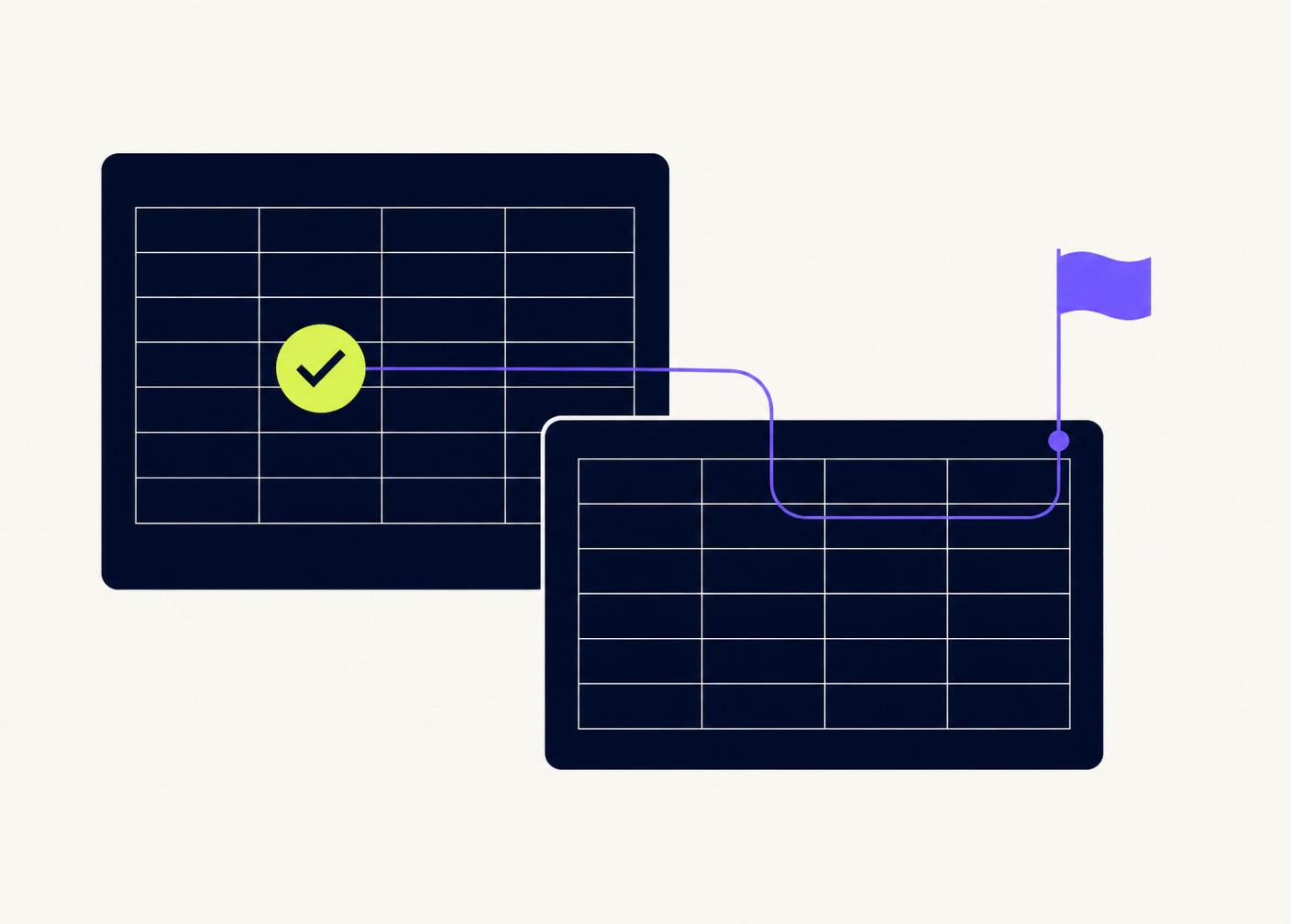
The instinct with automation is to automate everything. The good systems do the opposite — they automate the boring, repetitive middle and leave humans in charge of the edges. Knowing where the line is protects the whole workflow.
Keep judgement calls manual
If a step requires reading context — a client's tone, an unusual request, a subjective quality check — leave it to a person. Automations execute rules. They do not have taste.
Keep first and last steps human when trust matters
The first touch with a new customer and the last approval before something is sent set the tone. Automating them saves minutes and costs trust. Automate the twenty steps in the middle instead.
Automate the mechanical, not the meaningful
A useful test: if the step feels satisfying because someone did it thoughtfully, keep it human. If the step feels tedious because a robot could obviously do it, automate.
Keep an override
Even for steps you do automate, leave a way for a person to intervene. A "hold" flag, a review queue, a manual re-send button. Automations that cannot be paused become adversaries the moment something changes.
Watch the failure mode
Ask what happens when this automation is wrong. If the answer is "we fix it next time," automate freely. If the answer is "we lose a client" or "we send the wrong invoice to fifty people," keep a human in the loop.
The point of automation
Automation is not about removing people. It is about removing the parts of the day that make people feel like machines, so the remaining work is worth their attention. A workflow that respects that line ages well.
Have a workflow that should work better?
Tell us what is manual, repetitive, or difficult to manage. We’ll look at what a better system could look like.
Book a free call